Introduction
In today’s world, energy efficiency isn’t just a buzzword; it’s a necessity. With rising energy costs and an increasing focus on sustainability, homeowners are searching for effective ways to cut down on their utility bills while also reducing their carbon footprint. One of the most impactful areas to consider is your home’s heating, ventilation, and air conditioning (HVAC) system. By making strategic upgrades to your HVAC setup, you can significantly enhance your home's energy efficiency. In this article, we’ll delve deep into 10 Ways to Improve Your Home’s Energy Efficiency with HVAC Upgrades, ensuring that you’re well-equipped with the knowledge needed to make informed decisions.
1. Upgrade to a High-Efficiency HVAC System
What is a High-Efficiency HVAC System?
When we talk about high-efficiency HVAC systems, we’re referring to units that utilize advanced technology and design to consume less energy while providing the same or better comfort levels than traditional systems. These units often have higher Seasonal Energy Efficiency Ratios (SEER) and Energy Efficiency Ratios (EER), which indicate their ability to cool or heat effectively without wasting energy.
Why Upgrade?
Upgrading your system can lead to substantial savings on your energy bills. In fact, many homeowners report reductions of up to 30% in their heating and cooling costs after switching to a high-efficiency model. If you're considering ac repair in San Diego, it might be worth discussing upgrade options with your technician.
Key Features of High-Efficiency Systems
- Variable Speed Compressors: These allow the system to adjust its speed based on demand, avoiding the high energy spikes associated with older single-speed models. Smart Thermostats: Integrated smart technology enables precise scheduling and remote access, optimizing energy usage when you’re home or away.
2. Regular Maintenance Checks
Why is Routine Maintenance Important?
Routine maintenance for your HVAC system ensures that everything operates at peak efficiency. This includes checking refrigerant levels, cleaning coils, changing filters regularly, and inspecting ductwork for leaks.
How Often Should You Schedule Maintenance?
Ideally, you should schedule maintenance bi-annually—once before summer and once before winter. This proactive approach can prevent costly repairs down the line and ensure that your system runs smoothly.
Benefits of Professional Maintenance
- Increased Lifespan: Regular checks can extend the lifespan of your unit by 5-10 years. Improved Air Quality: A well-maintained system reduces allergens and pollutants in your indoor environment.
If you're looking for reliable services, consider hiring a reputable HVAC contractor in San Diego like Air Plus Heating & Cooling.
3. Optimize Ductwork
Understanding Duct Leakage
Did you know that leaky ducts can result in significant energy loss? Studies suggest that up to 30% of airplusmechanical.com heated or cooled air escapes through faulty ductwork!
How Can You Optimize Ducts?
To improve efficiency:
- Seal any gaps or holes using mastic sealant or metal tape. Insulate ducts located in unconditioned spaces like attics or basements.
When Should You Call an Expert?
If you've noticed drafts or inconsistent temperatures throughout your home, it may be time for a professional assessment from the Best San Diego HVAC Company. They can identify issues you may not see and recommend solutions tailored for your home.
4. Install Programmable Thermostats
The Advantages of Smart Thermostats
Gone are the days of manual thermostats! Smart thermostats learn your habits over time and adjust accordingly. They optimize settings based on whether you're home or away.
How Do Smart Thermostats Save Energy?
By automatically lowering or raising temperatures during off-hours (like when everyone is asleep), these devices can lead to significant savings. Some models even allow for remote control via smartphone apps!
Popular Models Worth Considering
Brands like Nest and Ecobee offer user-friendly interfaces along with features such as geofencing—which adjusts temperatures when you leave home—ensuring maximum energy savings without sacrificing comfort.
5. Enhance Insulation
Why Insulation Matters
Good insulation prevents heated or cooled air from escaping your property. It keeps indoor environments comfortable year-round while minimizing reliance on HVAC systems.
Types of Insulation You Can Consider
- Fiberglass Batts: Commonly used in walls and attics. Foam Board Insulation: Great for basements and exterior walls.
Make sure all areas are adequately insulated—not just walls but also attics, floors, and crawl spaces!
6. Choose Energy-Efficient Windows
The Impact of Windows on Energy Efficiency
Windows play a crucial role in maintaining indoor temperature stability. Poor-quality windows contribute significantly to heat loss during winter months and heat gain during summer months.
What Makes Windows Energy Efficient?
Look for double-glazed windows filled with argon gas which provide better insulation compared to single-pane windows.
Additional Tips for Window Efficiency
Consider adding window treatments like thermal curtains or blinds which can further reduce heat transfer through glass surfaces.
7. Invest in Zoning Systems
What Are Zoning Systems?
Zoning systems allow different areas (or zones) of your home to be heated or cooled independently based on usage patterns—great news if certain rooms get more use than others!
Benefits of Zoning Systems
- Enhanced Comfort: Each zone can maintain its preferred temperature level. Reduced Energy Waste: Systems only operate where necessary rather than conditioning unused areas.
A well-designed zoning strategy could vastly improve comfort levels throughout larger homes without straining resources unnecessarily!
8. Upgrade Your Air Filter
The Role of Air Filters in HVAC Performance
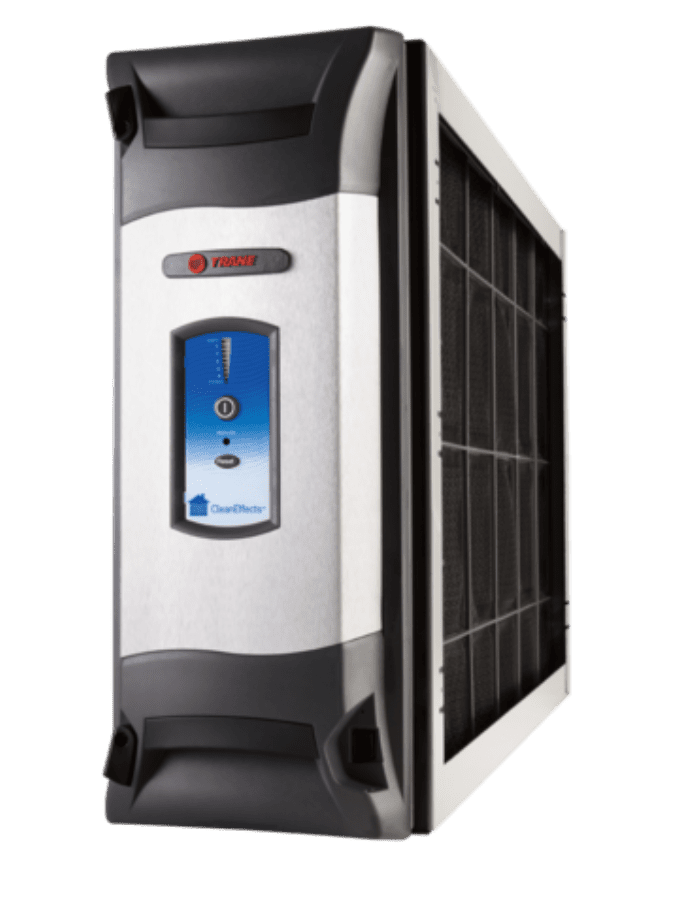
Using high-efficiency particulate air (HEPA) filters leads not only improved air quality but also enhances airflow by keeping dust particles at bay—meaning less strain on compressors!
When Should You Change Your Filters?
Changing filters every 1-3 months is generally recommended depending upon usage frequency—but always check specific guidelines from manufacturers regarding compatibility!
9. Utilize Ceiling Fans Wisely
How Ceiling Fans Improve Efficiency
Ceiling fans help circulate conditioned air throughout spaces resulting in perceived temperature changes! In summer months run fans counterclockwise; during winter switch direction so warm air is pushed downward!
Best Practices for Fan Usage
Ensure blades are clean for optimal performance; consider using them alongside other cooling methods rather than solely relying upon AC units alone!
10. Explore Renewable Energy Options
Solar Panels - A Sustainable Solution
Solar panels provide an excellent opportunity not only lower monthly utility expenses but also take advantage available tax incentives making them more financially viable than ever before!
Benefits of Going Solar:
Reduced dependence fossil fuels Increased property value Positive environmental impactDiscuss benefits installation potential options with trusted professionals who specialize renewable sources—they'll help navigate complexities involved finding right solution tailored unique needs situation!
Frequently Asked Questions (FAQs)
Q1: How often should I service my HVAC system?
A1: It's best practice to service your HVAC system twice a year—once before summer starts and again before winter begins—to maintain peak performance.
Q2: Can I install a smart thermostat myself?
A2: Yes! Most smart thermostats come with detailed instructions making self-installation feasible; however consulting professionals ensures proper integration existing systems avoids potential pitfalls during setup process!
Q3: Will sealing ductwork really save me money?
A3: Absolutely! Sealing ductwork prevents conditioned air from escaping leading significant reductions monthly utility bills—plus improves overall indoor air quality too!.
Q4: What type of insulation is best for my attic?
A4: Fiberglass batts are commonly used due ease installation cost-effectiveness while spray foam offers superior thermal resistance—but ultimately decision depends personal preferences budget constraints!.
Q5: How do I know if my windows need replacing? A5: Signs include draftiness condensation between panes difficulty opening closing windows—they may also appear outdated aesthetically affecting curb appeal property value integrity overall structure!.
Q6: Is investing in solar panels worth it? A6: Yes! Beyond financial savings long-term environmental benefits contribute sustainable practices communities living healthier planet future generations benefit greatly!.
Conclusion
Investing time effort towards enhancing home's energy efficiency will ultimately pay dividends both financially environmentally—a win-win scenario!. From upgrading HVAC systems seeking professional guidance local experts like Air Plus Heating & Cooling, every step taken brings closer towards achieving sustainable lifestyle goals while enjoying increased comfort within living space enjoy daily life simply better way possible!.
So why wait? Start implementing these strategies today explore innovative solutions available market maximizing potential throughout journey improving home's overall performance effectiveness future-proofing investments wisely!.